Why Attic Ventilation in Hot Maryland Summers Matters for Your Roof
Maryland is extremely humid in the summer. The region’s proximity to Chesapeake Bay and the Atlantic Ocean makes the air muggy and hot. That heavy, steam‑like moisture will find its way indoors or under the roof. Everyday activities like cooking, showering, and even normal breathing add more moisture inside the home. The moisture from outside and inside eventually settles in the attic. It can cause wood rot, mold growth, insulation deterioration, and long‑term damage to the roof deck. Moreover, moisture traps more heat and holds onto it longer than dry air. This means the temperatures in the attic will be extremely high for long stretches of time, especially during heatwaves. These high temperatures will degrade roof materials, weaken their structural integrity, and shorten their lifespan. With proper roof ventilation, you can flush out hot, humid air and replace it with cooler, drier, and fresher outdoor air. This will protect the roof by keeping temperatures and humidity in safe, stable ranges.How Proper Attic Ventilation Helps Control Roof Heat
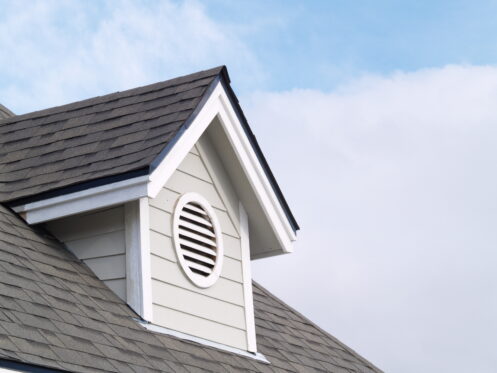
Attic ventilation pairs intake vents, located low on the roof, with exhaust vents positioned high at the peak. Soffit vents act as the intake, while ridge and roof vents serve as the exhaust. This system creates the necessary components that keep your home’s roof intact to manage the heat and humidity. Since heat and hot, humid air naturally rise through convection, they’ll escape through the ridge and roof vents located at the highest part of the roof structure. Intake vents, on the other hand, will pull in cooler outdoor air at the eaves to fill the vacuum left by the escaping hot, humid air. This creates a continuous cycle of upward airflow that keeps temperatures stable and prevents moisture from lingering under the roof.How Poor Attic Ventilation Can Affect Roofing Materials
Trapped heat and humidity in the attic create the baking and blistering phenomenon on the shingles. From underneath, the extreme heat bakes the shingles and the underlayment, causing them to dry out and lose their flexibility. From above, the UV rays intensify the stress on the shingle surface, which accelerates the degradation of protective granules. The shingles will start to curl, crack, buckle, or lose granules. The high humidity in the attic also causes the roof deck to swell, rot, and weaken. As the wood softens, it loses its holding power, making it harder for nails and fasteners to stay secure. Over time, this can lead to loose shingles, sagging sections of the roof, and a higher risk of leaks during storms. Attic ventilation enhances roofing material protection by keeping it in its ideal temperature and moisture range. They won’t weaken, crack, or break, which translates to long-term optimal performance and home protection.Attic Ventilation, Humidity, and Maryland Summer Storms
Maryland’s summers are not just hot and humid, but they also come with heavy storms and strong, high winds. Ventilation does not stop roof leaks, but it can help reduce the damp, stagnant air that stays trapped in the attic after humid weather. When airflow is poor, moisture problems may become easier to notice. If poor ventilation in the attic weakens the roof deck, shingles, or fasteners, the entire roofing system loses its structural integrity when you need it most. Heavy rains can cause sudden leaks, while high winds can clog or flex the vents. Furthermore, shingles that are already dry and loose can easily lift or blow off completely. Damaged roof vents, blocked soffit vents, or debris near intake areas can make the problem worse. If a roof leak is already present, poor airflow can allow damp materials to stay wet longer. That can lead to musty odors, staining, and damage to the roof deck or insulation.Signs Your Attic May Not Be Ventilating Properly
Some ventilation problems show up inside the home before they are obvious on the roof. Upstairs rooms may feel unusually hot compared with the rest of the house. The attic may smell musty, feel damp, or show visible moisture on framing, insulation, or the underside of the roof deck. The roof itself can also give clues. Curling shingles, premature shingle wear, uneven aging, or repeated roof concerns may point to heat and moisture problems under the surface. These signs do not always mean ventilation is the only issue, but they are good reasons to have the roof and attic checked.You should schedule a roof and attic ventilation inspection when you notice the following signs:
- Unusually hot upstairs
- Musty odors in the attic
- Visible mold and water vapor droplets on roof structures
- Warping roof deck
- Premature wear or curling shingles
Request a Roof Inspection from Chesapeake Roofing, Windows & Siding Inc.
Optimizing your attic ventilation is a reliable strategy for protecting your roof during harsh Maryland summers. Chesapeake Roofing, Windows & Siding Inc. can help you with all the ventilation assessments, roof inspections, and improvement solutions your home needs. Since 1987, our company has been delivering high‑level products and craftsmanship that enhance home efficiency, functionality, and aesthetics. You can trust us to deliver beyond expectations. Schedule a roof inspection and attic ventilation evaluation with Chesapeake Roofing, Windows & Siding Inc. in Maryland.Attic Ventilation in Hot Maryland Summers
When your attic is constantly hot, you’ll notice the effects quickly through rising energy costs and deteriorating roof structures. Some questions that often come up when homeowners are looking for solutions include: the following.
Yes, poor attic ventilation can significantly damage roof shingles. When the attic traps heat and humidity, roof temperatures rise dramatically. These high temperatures accelerate the breakdown of the shingles’ protective granules and soften the asphalt layer beneath. This will eventually lead to cracking, curling, and premature aging.
Attic ventilation can reduce indoor heat, control moisture, and protect the overall roof structures. Air circulation expels trapped heat and moisture from under the roof and draws in cooler, drier air from outside. This steady exchange keeps the attic from becoming a reservoir of trapped heat that seeps into your living spaces and raises cooling costs. It also prevents moisture from lingering long enough to damage the roof deck, insulation, or shingles.
When you notice signs that you need to replace your roof, let a contractor inspect your current attic structure before making any investment. This helps them avoid repeating old ventilation mistakes that may have contributed to premature roof damage. It also allows them to address hidden moisture problems, mold, or insulation issues before installing new materials.
Meet the Author
